
Common Questions about Dive Medicals
The underwater world is one of the most extraordinary environments on Earth; quiet, weightless and profoundly freeing. Yet for many people, access to that world is limited not by ability, but by a lack of understanding, support or appropriate medical guidance.
My name is Dr Jay Short. I’m a Dive Doctor, a Rural Generalist with a Fellowship of Australian College Rural and Remote Medicine and also the founder of Adventure Adapted and Altitude to Depth Medical. My work sits at the intersection of medicine, adventure and human potential, supporting people to explore safely - from altitude to depth.
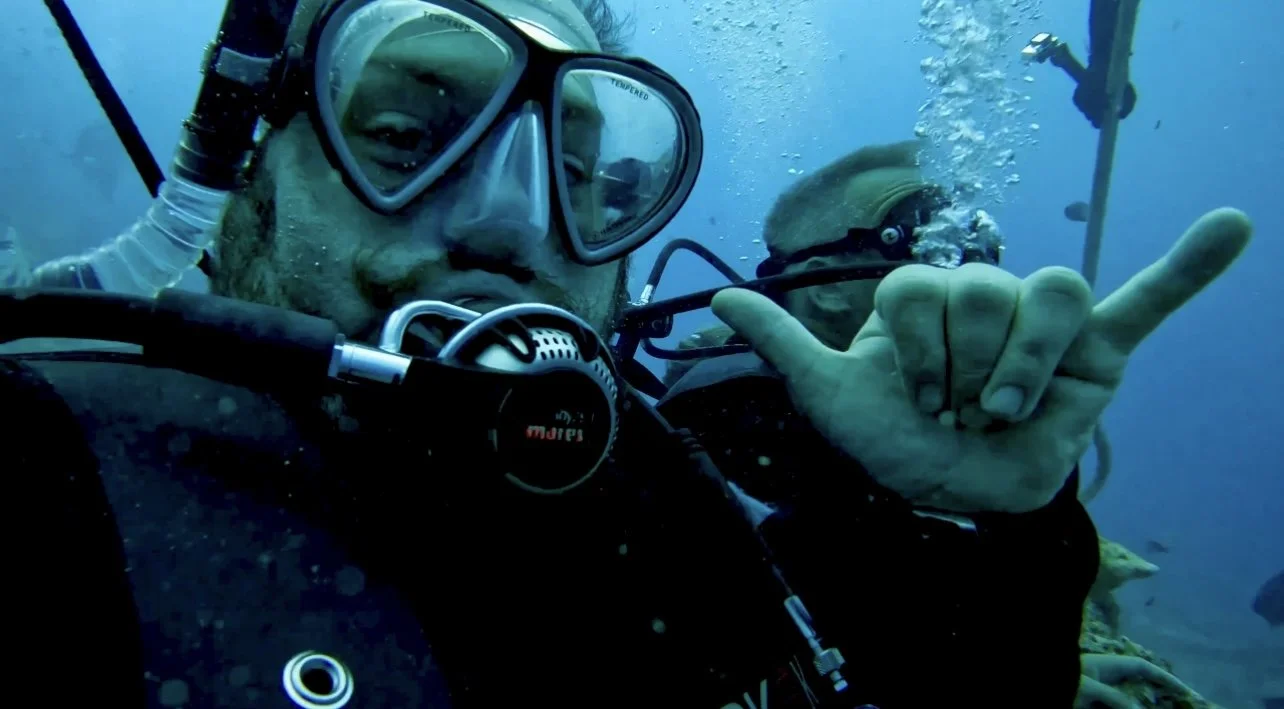
Dive Medicine on Magnetic Island:
Through Altitude to Depth Medical, I provide specialised medical support for divers across the Townsville region, including:
Commercial and recreational dive medical assessments
Fitness-to-dive advice following illness or injury
Risk assessment for complex or high-risk divers
Medical support for operators, expeditions and remote diving environments
I’ve teamed up with the region’s premier dive training school, Pleasure Divers Magnetic Island, to offer customers and dive students some straight forward answers to common questions regarding dive medicals. Let’s dive in….
Most common questions:
“My course at Pleasure Divers starts soon — can I book a dive medical last minute?”
Yes, in many cases, same-week or short-notice appointments can be arranged. That said, it’s always better to plan ahead. Some conditions may require:
Further assessment
Specialist input
Additional testing
Leaving it to the last minute can risk delaying your course or missing your start date. If your course is coming up soon, reach out early, I’ll do my best to accommodate you and keep things moving safely.
“Do I have to go to Townsville for a dive medical?”
No you don’t. One of the key reasons I established Altitude to Depth Medical on the island is to provide local access to dive medical services. This means:
No need for unnecessary travel
Faster assessments
Ongoing access to advice if anything changes
You can have your assessment done locally, with someone who understands the diving environment you’ll actually be in.
“I ticked NO to all questions on the SSI questionnaire — why should I still consider a dive medical?”
The SSI (or similar) screening questionnaire is designed as a basic safety filter, not a comprehensive medical assessment. Even if you’ve answered “NO” to all questions:
It does not assess how your body responds under pressure
It does not evaluate cognitive performance or neurological risk
It does not consider subtle or undiagnosed conditions
A dive medical goes deeper, looking at how you function in a hyperbaric environment, not just your general health. A simple cardiovascular examination, for example, may detect things like small heart murmurs or shunts that are otherwise asymptomatic, but could increase your risk of decompression illness. A dive medical also gives us the opportunity to:
Discuss safe strategies for managing seasickness
Identify and manage ear or sinus issues that may affect equalisation
Provide practical advice to make your diving experience safer and more comfortable
It’s not just about risk - it’s about optimising your diving from the start.
“I’m a parent enrolling my child in a course — should I consider a dive medical for my young soon-to-be diver?”
This is a really important question and one I strongly support. Most children and young people will be safe to dive, but a medical can:
Identify underlying conditions early (e.g. asthma, ear issues, cardiac concerns)
Ensure they can equalise safely and tolerate pressure changes
Assess confidence, anxiety and readiness for the underwater environment
We can also:
Check for any ear or sinus problems that may make diving uncomfortable or unsafe
Talk through what to expect and how to manage common issues like seasickness or anxiety
Diving introduces a completely new environment and for children, that includes both physical and psychological challenges.
A dive medical provides:
Peace of mind for parents
A safer, more confident experience for the child
A clear understanding of any limitations or precautions
“I had childhood asthma but feel like I’ve grown out of it — can I still learn to dive?”
In many cases, yes, you may still be able to dive, but this needs to be assessed properly. Asthma is important in diving because of the risk of air trapping in the lungs, which can lead to:
Lung overexpansion injury
Arterial gas embolism (a serious complication)
Even if you haven’t had symptoms for years, some people can still have:
Subtle airway reactivity
Reduced airflow under stress, cold water, or exertion
A dive medical allows us to:
Take a detailed history of your asthma (severity, triggers, time since last symptoms)
Assess your current lung function
Identify whether you’re at low risk or need further testing
In many cases, if you’ve been symptom-free for years, have normal lung function and no exercise- or cold-induced symptoms you may be safe to dive with appropriate advice.
“Not all asthma excludes you from diving, but it’s something that should always be assessed properly, not assumed.”
⚠️ Important note. A dive medical is required before starting a course if you:
Still use inhalers
Have wheeze with exercise or illness
Aren’t sure about your current asthma status
“I take prescription medication — should I get a dive medical?”
Yes, it’s strongly recommended. Many medications are safe on land, but diving introduces a very different environment. Changes in pressure, gas levels and physiology can alter how medications affect your body. Why does this matter for diving? Some medications can:
Affect alertness, reaction time, or decision-making
Increase the risk of drowsiness or impaired cognition underwater
Alter your heart rate or blood pressure response
Lower your seizure threshold
Interact with oxygen exposure at depth
Even mild side effects can become significant in a high-risk environment like diving, where clear thinking and rapid response are essential.
⚠️ It’s not just the medication, it’s also the condition being treated by the medication. We also need to consider:
Why you’re taking the medication
Whether the underlying condition itself poses a risk underwater
How stable and well-controlled that condition is
A dive medical allows us to:
Review your medications and medical history
Identify any potential risks in a hyperbaric environment
Provide clear, personalised advice
Adjust plans if needed so you can dive safely where possible
In many cases, people can still dive safely, it just needs the right assessment. Simple takeaway: “If you take regular medication, it’s worth checking, not to exclude you from diving, but to make sure you’re doing it safely.”
How to book a dive medical with Dr Jay Short
So there you have it, some of the common questions people ask at their dive centre.
Confidence in diving comes from understanding your body, your equipment and the environment - a dive medical helps build all three.
Whether you’re:
Starting your first dive course
Returning to diving after time away from the activity
Managing a medical condition
Supporting a child into diving
the goal is always the same: safe, confident participation - not unnecessary restriction.
Dr Jay can be contacted via email to arrange a dive medical on Magnetic Island.
Dr Jay Short
Adventure Adapted | Altitude to Depth Medical
Email: admin@adventureadapted.com.au
Website: https://www.adventureadapted.com.au
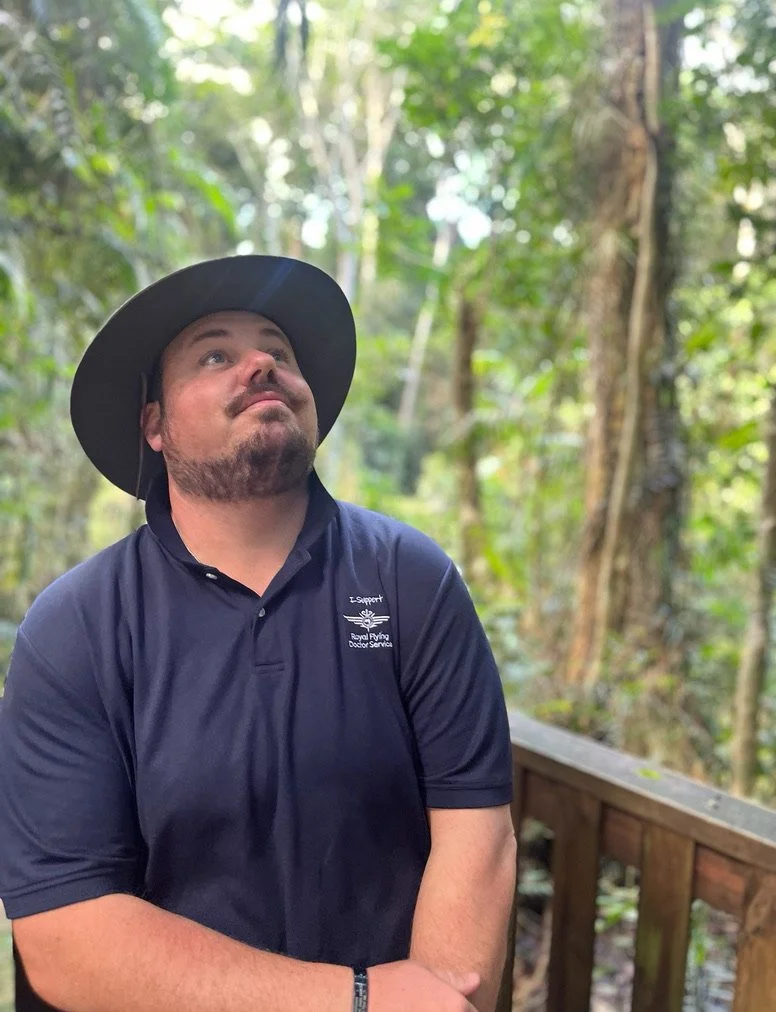
We thank Dr Jay for his giving his time to writing this blog, his continued care of all of our divers (both students and staff) and his commitment to safe diving practices. He is an asset to have with us on Magnetic Island
~ Cheers, Haylie and Chad